October 30, 2026
Top 7 Pressure Cleaning Mistakes Most Homeowners Make
By @laneodbb024
High-pressure cleaning is one of the most satisfying DIY home improvement tasks. Watching layers of baked-on dirt, grime, and algae vanish from concrete pathways in seconds offers instant gratification. Across Western Sydney—where hot, dry winds regularly blow in fine red dust and muggy summer storms accelerate mold growth—keeping outdoor areas clean is an ongoing challenge.
However, modern pressure washers pack immense power. In 2026, even affordable residential pressure washers can produce upwards of 3,000 PSI (pounds per square inch). That is more than enough force to strip paint, gouge timber, or shatter glass. Avoiding the most common DIY pressure cleaning blunders will save you significant time, money, and property repair costs.
1. Using Excessive Pressure on Delicate Surfaces
The biggest error homeowners make is assuming that higher pressure always delivers better results. Blasting soft surfaces with maximum pressure often causes permanent structural damage. Softwoods like pine decking, sandstone retaining walls common in the Hills District, and modern exterior acrylic render can easily gouge or peel under direct high pressure.
For fragile surfaces, the industry standard practice relies on soft washing. This method combines low water pressure with specialized biodegradable treatments to gently break down dirt and mildew without chewing into delicate substrates.
2. Selecting the Wrong Nozzle Tip
Most pressure washers come equipped with color-coded interchangeable nozzle tips ranging from 0 degrees (a pinpoint stream) to 40 degrees (a wide spray fan). Homeowners frequently clip on the zero-degree red nozzle hoping to cut through stubborn stains quickly, only to slice deep lines straight into their concrete driveways or outdoor pavers.

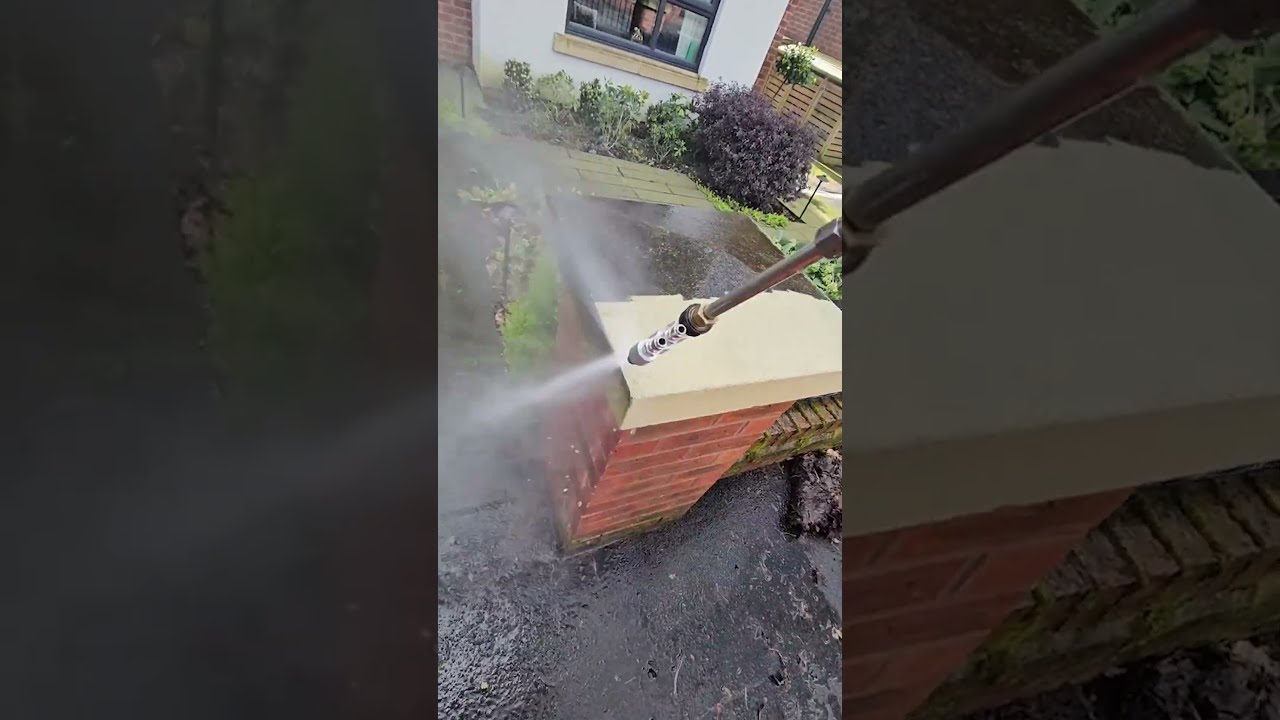
A 25-degree (green) or 40-degree (white) nozzle is generally the safest starting point for general outdoor flat surfaces. Using a wider fan spreads the force evenly and prevents surface etching.
3. Blasting Roof Tiles and Solar Panels
Western Sydney leads the country in residential rooftop solar installations. Unfortunately, many homeowners climb up with a pressure cleaner to wash their roof and solar panels. High pressure can force water underneath concrete roof tiles, saturate your roof insulation, and cause internal ceiling damage.
When it comes to solar panels, high-pressure water can crack the protective tempered glass or compromise waterproof seals, instantly voiding the manufacturer warranty. Panels should only ever be cleaned with low-pressure water, soft-bristle brushes, and dedicated solar cleaning solutions.
4. Neglecting Pre-Treatment Solutions
Relying purely on mechanical water pressure means you miss the microscopic fungal roots beneath the surface. Black mold and green lichen thrive in the humid microclimates around Parramatta, Blacktown, and Penrith. If you blast the surface with plain water, the mold will visibly return within a matter of weeks.
Applying an eco-friendly cleaning detergent or anti-microbial pre-treatment dissolves organic bonds before you rinse. This approach requires less pressure, preserves your paving, and keeps surfaces clean for up to three times longer.
5. Disregarding Stormwater Runoff Regulations
In New South Wales, strict environmental regulations govern what can enter street stormwater drains. When pressure cleaning driveways contaminated with motor oil, chemical residues, or harsh industrial detergents, washing this runoff straight down the gutter into local waterways like the Hawkesbury-Nepean or Parramatta River catchment can result in hefty council or EPA fines. Responsible cleaning requires diverting runoff into garden beds or using absorbent booms to trap grease and sediment.
6. Cleaning in the Wrong Direction and Sequence
Working without a logical sequence often means double the work. When homeowners start at the bottom of an exterior wall or spray randomly across a flat driveway, dirty wastewater splashes back over areas that were already cleaned. Professional exterior cleaners follow a strict top-to-bottom and up-slope to down-slope workflow, ensuring dirty water drains away from freshly washed surfaces.
7. Forgetting Personal Safety Gear
The intense spray stream can easily penetrate skin or kick up tiny stones at eye level. Slippery wet pavers also create severe slip-and-fall hazards. Before pulling the trigger on any pressure unit, make sure you take the proper safety precautions.
- Protective Footwear: Wear steel-cap or heavy rubber work boots instead of thongs or fabric sneakers.
- Eye Protection: Use wrap-around safety glasses to guard against high-velocity flying debris.
- Hearing Protection: Wear earplugs or earmuffs, especially when operating petrol-driven pressure washers.
- Electrical Safety: Ensure all power cords, outdoor sockets, and RCD safety switches remain completely dry.
Quick Checklist Before You Start Pressure Cleaning
Before firing up your equipment this weekend, run through this quick checklist to ensure a safe, efficient clean:

- Inspect surfaces for preexisting cracks, loose mortar, or soft timber rot.
- Move outdoor furniture, potted plants, and vehicle keys out of the spray zone.
- Cover outdoor electrical sockets and light fittings with plastic sheeting.
- Test your selected nozzle and pressure setting on an inconspicuous test patch first.
Knowing When to Call a Western Sydney Professional
While DIY washing is suitable for durable flat concrete paths and garden pavers, https://pressurecleaningwesternsydney.com.au/solar-panel-cleaning/ high-risk tasks such as multi-story house washing, tile roof rejuvenation, and commercial-grade oil stain extraction are often best left to equipped professionals. Expert technicians carry commercial hot-water units, customized soft-wash equipment, and wastewater containment tools designed to restore your property safely without risking permanent surface damage.
Western Sydney Pressure Cleaning
Unit 2/1 Cowpasture Pl, Wetherill Park NSW 2164
(02) 9000 1596
❧